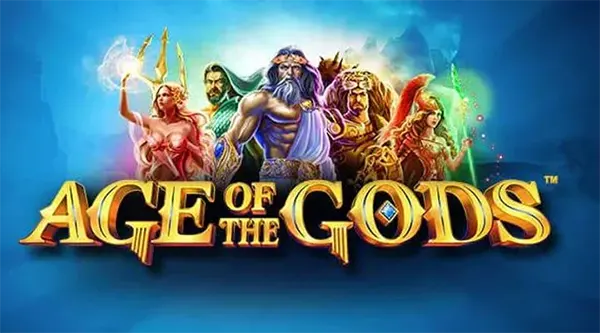
Age of the Gods: Mythological Deities as Human Landmarks
The Age of the Gods represents more than a distant mythological era. It reflects a system of symbols through which ancient societies explained moral order, personal responsibility, fear, ambition, and balance. Mythological gods were not abstract figures; they acted as reference points that helped individuals interpret their own behaviour and decisions. Even in modern culture, these figures continue to influence how people understand power, fate, and personal growth.
Gods as Moral Frameworks in Early Civilisations
In ancient societies, gods served as moral regulators rather than distant supernatural beings. Deities embodied clear behavioural standards: justice, loyalty, restraint, or excess. Through myths, communities passed down practical lessons on acceptable conduct, reinforcing shared values without written legal systems. These stories helped individuals understand consequences long before formal law emerged.
Greek, Norse, and Mesopotamian pantheons each reflected the realities of their environments. Sea-faring cultures emphasised gods of storms and navigation, while agrarian societies focused on fertility and seasonal cycles. This alignment between belief and daily life created a strong psychological connection between human actions and perceived cosmic order.
Rather than promoting blind obedience, myths often portrayed gods as flawed. Their conflicts mirrored human struggles, teaching that power without restraint leads to chaos. This narrative approach allowed societies to discuss ethical dilemmas openly through storytelling.
Authority, Punishment, and Balance
Gods frequently acted as enforcers of balance. Characters who ignored warnings or violated social norms faced clear consequences. These narratives were not designed to intimidate but to establish predictable cause-and-effect relationships within a moral universe.
Punishment in mythology was often symbolic rather than purely violent. Eternal labour, loss of status, or isolation carried strong social meanings. Such outcomes reflected fears deeply rooted in communal life rather than physical harm alone.
By presenting justice as universal rather than human-made, myths reinforced accountability. Individuals were reminded that actions carried weight beyond immediate circumstances.
Mythological Archetypes and Personal Identity
Each god represented a recognisable human trait: wisdom, rage, desire, creativity, or discipline. These archetypes offered individuals a framework to understand their own inner conflicts. Rather than suppressing emotions, mythology provided a language to acknowledge them.
Heroes interacting with gods often faced choices that shaped their identity. These encounters symbolised internal struggles between instinct and reason. The gods acted as external reflections of internal decision-making processes.
Over time, these archetypes evolved into psychological models. Modern literature, cinema, and behavioural studies continue to rely on mythological patterns to explore motivation and personal growth.
Conflict as a Path to Self-Understanding
Mythological narratives rarely depict harmony as a permanent state. Conflict drives transformation, forcing characters to confront limits and responsibilities. This mirrors real human development, where growth often follows challenge.
Gods themselves changed through loss, rivalry, and consequence. Their evolution reinforced the idea that identity is not fixed, even for powerful figures.
Such stories encourage reflection rather than imitation. The goal was never to become godlike, but to recognise human boundaries and choices.
The Enduring Influence of the Age of the Gods
Although modern societies rely on science and law, mythological structures remain relevant. Concepts of justice, ambition, temptation, and restraint still echo ancient narratives. These themes persist because they address universal human concerns.
Education, psychology, and storytelling continue to draw from mythological logic. Gods function as reference points for ethical debate rather than objects of belief. Their value lies in interpretation, not worship.
The Age of the Gods did not disappear; it transformed. Its symbols adapted to new cultural contexts while preserving their original purpose.
Mythology in Contemporary Thought
Modern analysis treats mythology as a cultural archive of human experience. Rather than outdated superstition, it represents early attempts to systemise meaning and responsibility.
Philosophers and psychologists use mythological figures to explain behavioural patterns. These narratives provide structure where purely rational models fall short.
The continued relevance of mythological gods confirms their role as enduring guides rather than historical relics.